Adaptability Runs Deep.
Tomorrow's missions require a different class of aircraft. Mission experience, innovative engineering, and the agility to keep pace with threats that evolve faster than procurement cycles.
Built alongside operators, AAV was engineered as a modular, software-defined platform that is simple to train, fast to deploy and intuitive to use in the field. The air vehicle provides a stable, certified foundation while payloads, autonomy and mission software evolve independently — empowering forces to add new capability by swapping a module, not by starting a new program. The result is an aircraft that becomes more capable over time.

Capability at the Speed of Mission.
Purpose-built to move faster. AAV delivers adaptable airpower across three levels of the fight — the operator, the squad and the force — powered by one airframe family, one controlled interface and one training pipeline.
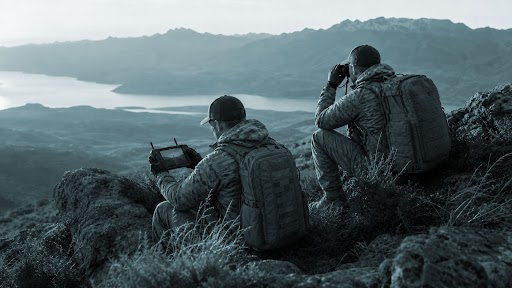
Advancing the Operator's Horizon.
With twice the speed and endurance of comparable platforms, AAV extends the operator's reach, awareness, and operational advantage. It packs into a portable form, requires no rail, net, or catapult, and launches vertically from the operator's position, going from pack to flight in seconds.
One aircraft. One controller. One skill set. Reconfigured for the mission, not replaced.
Equipment, not asset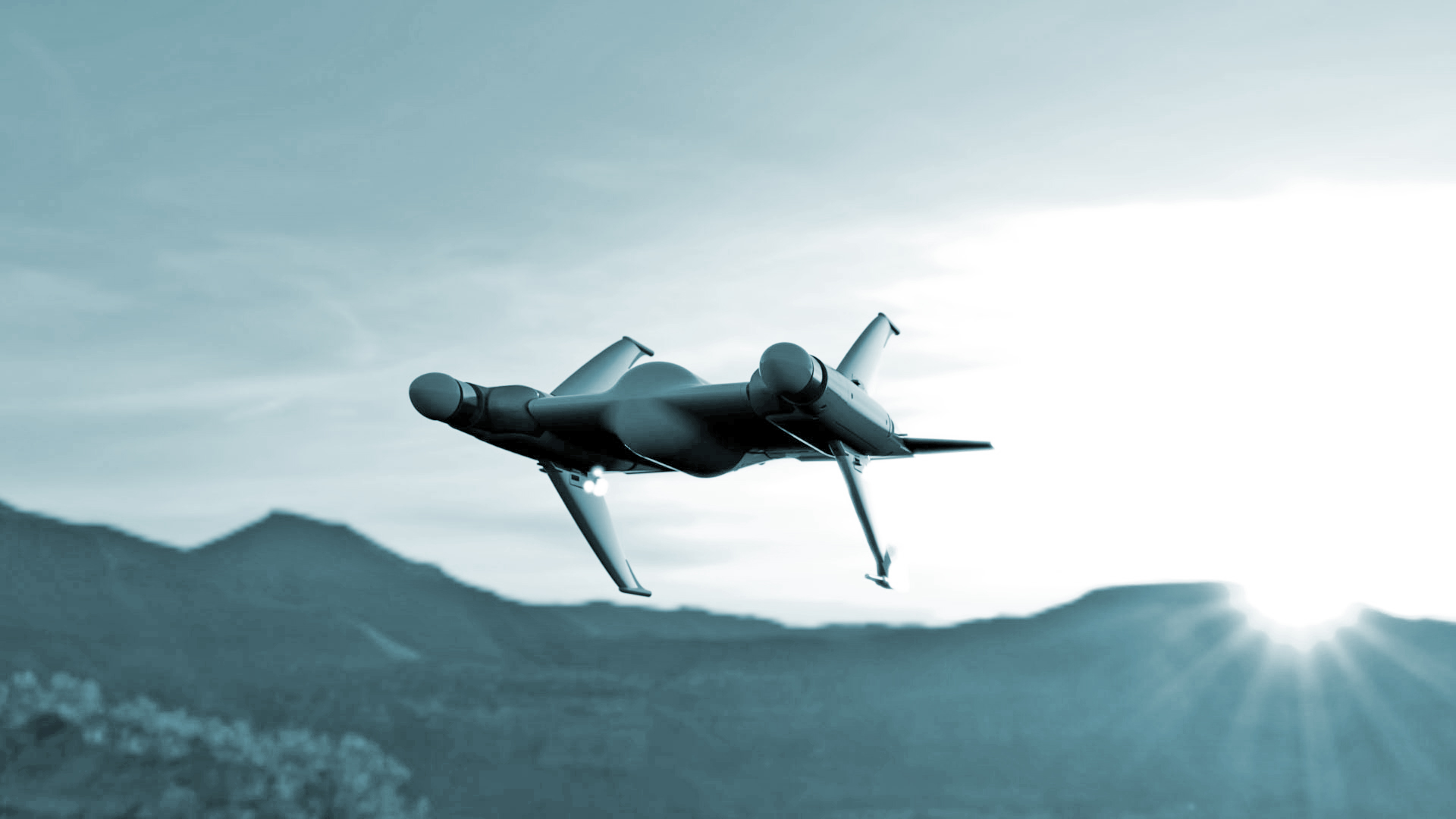
Owning the Point of Contact.
Flying, finding, and finishing on the squad's own timeline. AAV empowers small units to close the sensor-to-shooter loop — payloads and mission software swap through a single controlled interface, so the squad reconfigures its airpower to the fight in front of it: ISR, strike, electronic warfare, relay.
Launching vertically from the squad's own position with no delay, AAV replaces a fragmented mix of systems with one airframe family—one battery pack, one interface, one training pipeline, and one logistics tail where there used to be many.
The squad's own air arm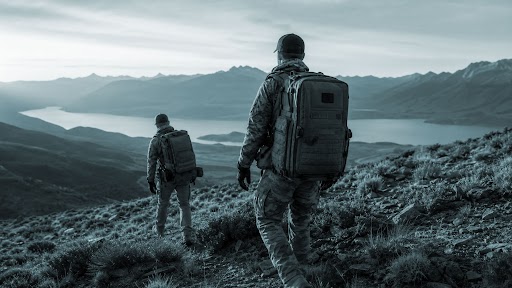
Advancing Readiness, Resilience and Mass.
Military hardware persists for decades; missions, threats, and software do not. AAV separates the two — sustaining a stable, certified airframe while payloads, autonomy and mission systems advance at the speed of relevance. The fleet a force fields today becomes more capable every year, without redesign and without a new program of record.
Scaling from miniature ISR through tactical strike to strategic-scale assets on one configuration, AAV delivers affordable mass, distributed operations, and a targeting problem the adversary cannot solve—no runways, no launch sites, no fixed infrastructure to hold at risk.
One decision, a generation of capability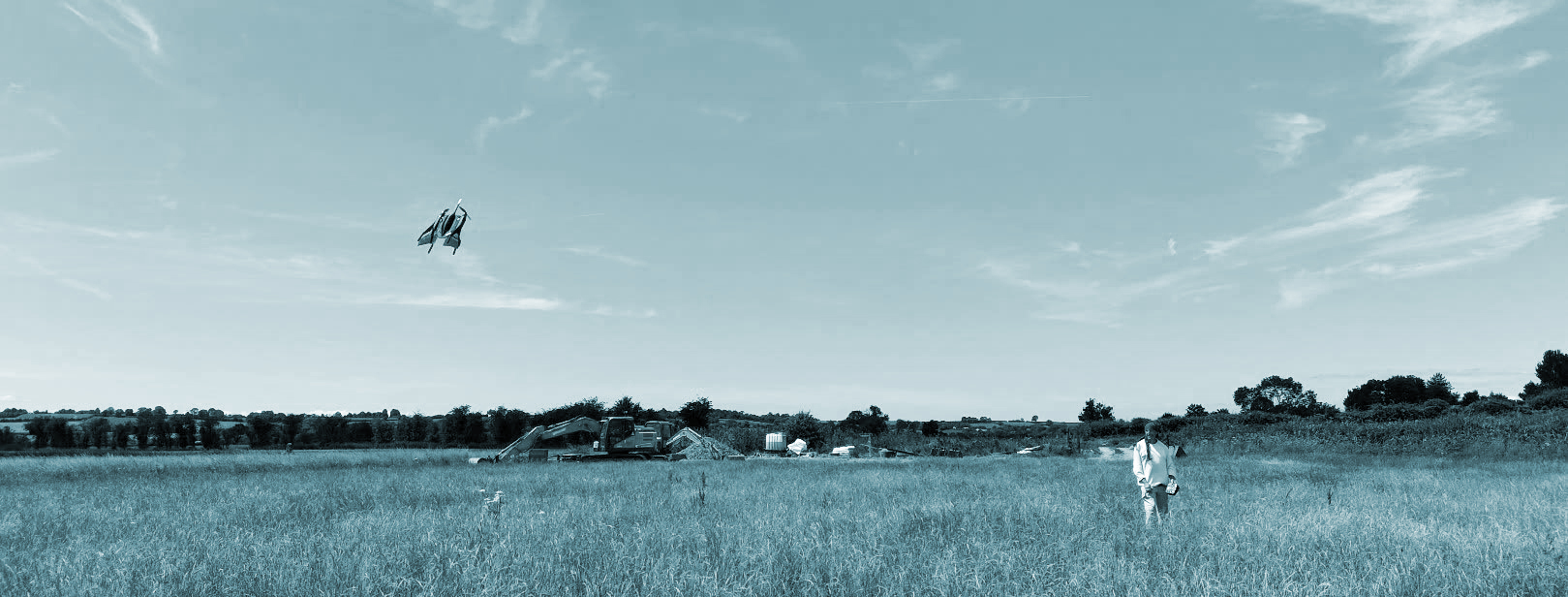

Engineered to Evolve.
AAV enables mission capability at the speed the fight demands. Every payload mounts through one controlled interface—power, data, and mission connectivity in a single specification that governments and industry partners build to. You control the mission.
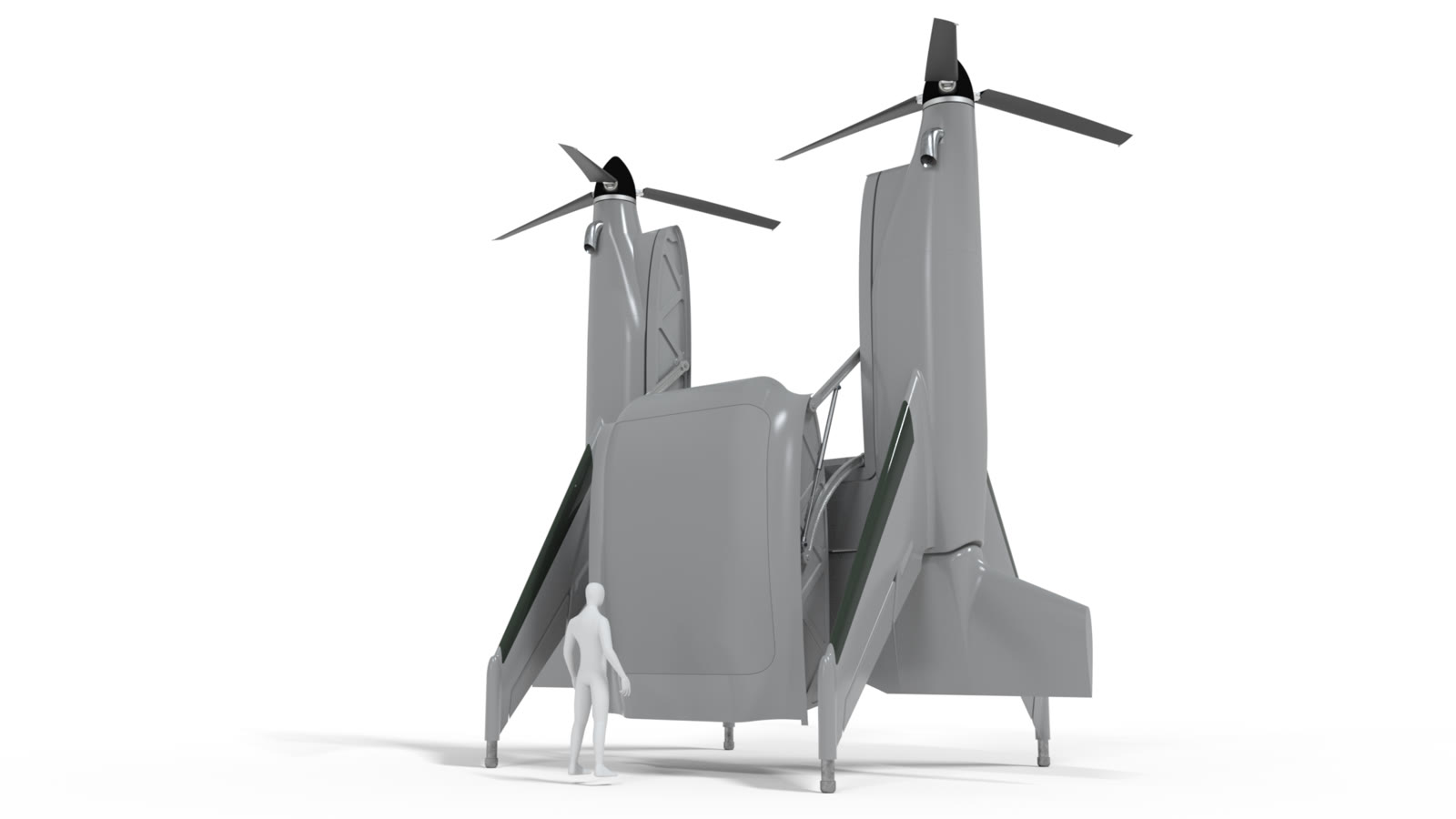
Modular by Design
Researching, developing, and delivering full-spectrum mission capability—sensor, effector, autonomy, and communications—through a single controlled interface, changed in the field in seconds.
Software-Defined
Advancing autonomy, AI, and mission software independently of the certified air vehicle, so modernization moves at the speed of innovation—not the speed of procurement.
Scalable Architecture
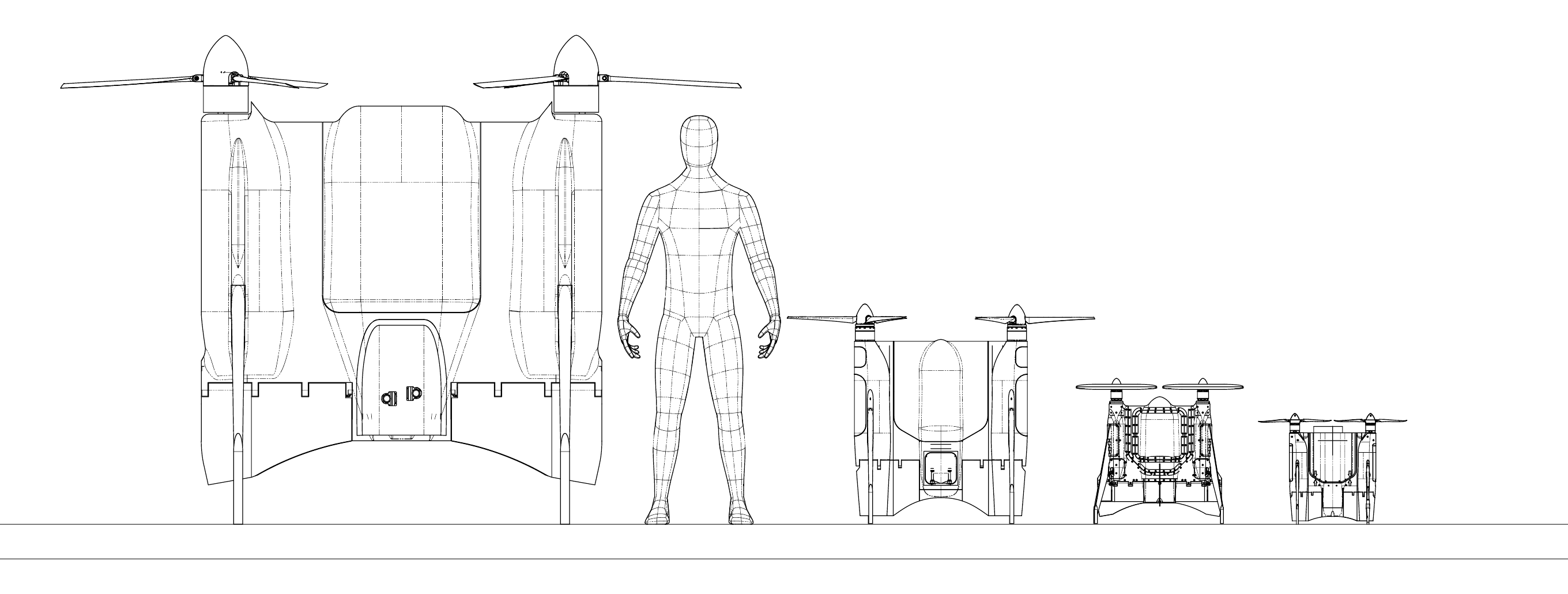
One configuration. One interface. From pack-carried ISR to strategic-scale aircraft. Common training, common sustainment, common operating logic across services.
Coalition Ready
Empowering allies and industry partners to integrate their own payloads and mission systems on a common carrier. Interoperability by design. Capability without compromise.
No Infrastructure, Ever
Launching and recovering vertically at every scale of the family — no runway, no rail, no catapult, and no fixed site for an adversary to target.
One Architecture. Every Scale.
One architecture. Every mission. The same configuration, the same interface, and the same operating logic. Train once and field the size the mission demands.

Your Mission. Our Platform.
We didn't build another unmanned aircraft. We built a platform that becomes more capable as missions, threats, software, and payloads evolve.